The House Beyond the Smart Home
Series 16: The World You Still Live In
Barbara and Jim Talley have lived in their house in suburban Indianapolis since 1983. They raised four children in it. The last child left in 2007. The house is 2,400 square feet. It has two stories.
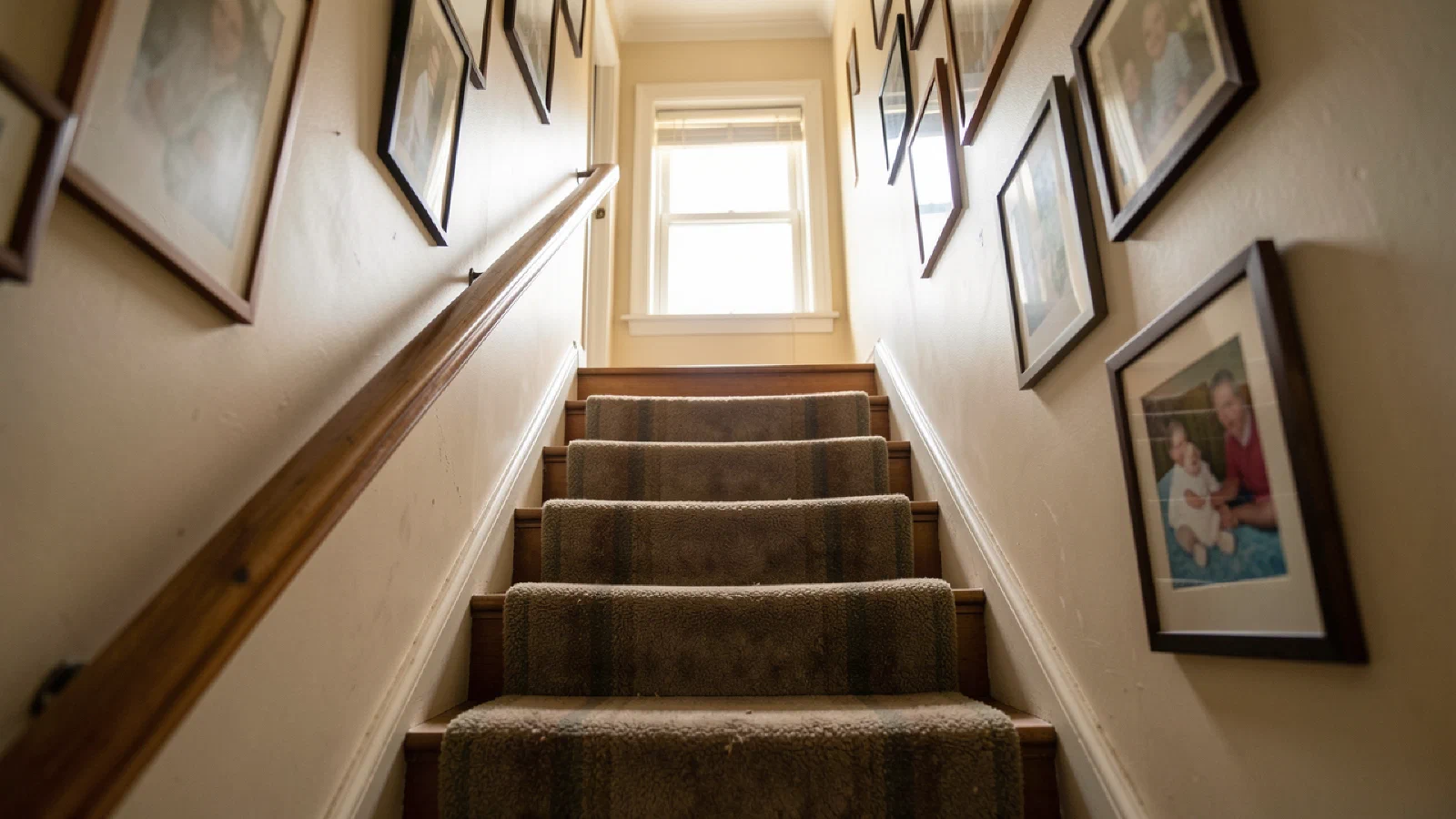
The stairs have been a problem for Jim for three years. He is 79. A knee issue, then a hip issue, then a general weariness about the second floor that has them sleeping in the guest bedroom on the main floor most nights. Barbara is 77. She manages the stairs with care.
The property tax has increased 40% in eleven years, from $2,800 to $3,920 annually. The house requires maintenance that costs more each year than it did the decade before. The neighborhood is where they have lived for forty years. Their church is four blocks away. Their doctor is two miles away. Their friends, the ones remaining, are nearby.
The choice they believe they face: sell the house and move to a retirement community, leaving the neighborhood they have spent their adult lives building. Or stay and manage a house that costs more than it used to, has stairs they increasingly avoid, and is twice the size they need.
Nobody has told them there are other options. That is what this article does.
The ADU Option#
An accessory dwelling unit is a smaller, self-contained residence built on the same property as an existing home. A detached cottage in the backyard. A converted garage. An addition connected to the main house but with its own entrance, kitchen, and bathroom.
Indianapolis, along with most of Indiana, updated its zoning regulations in 2024 to permit ADUs in single-family residential zones. Barbara and Jim’s property almost certainly allows one now. Their lot, in a suburban neighborhood of their vintage, is likely large enough.
The scenario their financial advisor has not presented: they build a 600-square-foot ADU in the backyard. They move into it. The ADU is single-story, designed for their current and anticipated future needs. The main house, 2,400 square feet and two stories, is rented to a family or to adult children who want to be nearby. The rental income covers the ADU construction cost over time and reduces or eliminates the net cost of staying in the neighborhood.
The costs and the complications are real. ADU construction runs $120,000 to $250,000 depending on size, design, and site conditions. Financing options include home equity lines of credit, ADU-specific construction loans through some lenders, and, in some municipalities, state or local programs that help fund ADU construction for seniors as an aging-in-place strategy. The construction timeline runs four to twelve months. The rental relationship requires management.
The alternative to a retirement community costing $4,000 to $7,000 per month is worth costing out seriously. The ADU scenario, with rental income from the main house, can produce a cash-flow positive arrangement that keeps them in their neighborhood, in a house built for their needs, with family or tenants next door.
The Property Tax Freeze#
Marion County, which covers Indianapolis, offers a homestead standard deduction that reduces assessed value for owner-occupied homes. Indiana’s over-65 property tax deduction provides an additional reduction for homeowners over 65 who meet income and assessed value thresholds. There is also a county homestead credit that further reduces the effective tax rate.
Barbara and Jim may not be taking all of these deductions. The assessor’s office will confirm what is applied to their property. Calling the Marion County Assessor at 317-327-4907 and asking what deductions are on their property and whether they qualify for any that are not currently applied is a twenty-minute phone call that could reduce their tax bill by several hundred dollars annually.
Many states have senior-specific property tax relief programs that go beyond standard deductions. A property tax deferral allows seniors to postpone payment of property taxes until the property is sold, avoiding the annual cash drain while preserving the equity. Not all counties offer this. Checking with the state’s department of revenue and the county assessor identifies what is available.
Co-Housing#
Three miles from Barbara and Jim’s house, there is a co-housing community for older adults that they do not know exists.
Co-housing is a model in which residents own or rent individual homes within a planned community that includes shared common spaces: a common house with a dining room and kitchen, shared gardens and outdoor space, and a community life organized around collective decision-making. Co-housing is not assisted living. There is no care staff, no scheduled programming, no institutional feel. It is a neighborhood, deliberately designed, where residents choose to be neighbors.
The specific community three miles away was established in 2019 with twenty-two units ranging from 600 to 1,200 square feet. Two-bedroom units run $285,000 to $340,000 to purchase. There is a homeowners association. Common meals are offered three to four times per week. Residents look in on each other.
For Barbara and Jim, co-housing offers the specific things that matter: a single-story unit, a community of peers, shared resources that reduce individual maintenance burden, and location within a few miles of their existing church, doctor, and friends. It is not their current neighborhood. It is a neighbor relationship designed rather than accumulated. The distinction is real. Whether it matters enough depends on what Barbara and Jim are actually protecting when they say they want to stay in the neighborhood.
The Reverse Mortgage, Revised#
The reverse mortgage products of the 2000s were, in many cases, predatory instruments that stripped equity from seniors who did not understand the terms. Those products gave the category a reputation it has not fully shed.
Home Equity Conversion Mortgages, the federally insured reverse mortgage product, have been substantially redesigned since 2013 with stronger consumer protections. HECM borrowers are required to complete HUD-approved counseling before the loan closes. Non-borrowing spouses have protections that did not exist in earlier versions. The terms are regulated.
What an HECM does: it converts home equity to accessible cash without requiring monthly mortgage payments. The loan balance grows over time and is repaid when the home is sold or the borrower no longer lives there. For Barbara and Jim, who have substantial equity in a house they have owned for forty years, a HECM could eliminate the property tax anxiety by providing a monthly cash draw or a line of credit to cover taxes and maintenance without depleting their liquid savings.
The counseling requirement is a meaningful protection. It ensures they understand what they are agreeing to before they agree to it. The HUD-approved HECM counselor list is available at hud.gov.
The Home Modification Alternative#
Instead of moving: modify. The home Barbara and Jim have is 2,400 square feet with stairs they are already working around. The bedroom is already downstairs. What would make the main floor more livable for them over the next decade?
A walk-in shower replacing the main-floor bathtub. Grab bars in the bathroom that is already being used. A stair lift on the main staircase for the days they want to access the second floor without risk. A ramp at the side entrance if the front porch steps become difficult. These are modifications Series 03 covers in detail. They are available now, often through grant and loan programs from the Area Agency on Aging.
The house they have, modified to work for the bodies they have now and will have in five years, may serve them better than either a retirement community or a new purchase.
The AI Housing Decision#
The personal AI that models Barbara and Jim’s housing scenarios does not exist in the form they need today, but its components are close. The scenario is specific enough to define: they want to stay in the neighborhood or very near it, they need fewer stairs, they cannot afford to drain savings, and they are willing to change the structure of how they use their current property.
The AI models the scenarios. Stay and modify: $45,000 in modifications, property tax relief applied, deferred tax program used if available, estimated effective annual cost to stay. ADU construction: $175,000 cost, $18,000 annual rental income, net effective housing cost after rental income offset. Co-housing purchase: $310,000 unit cost, existing house sold at $380,000, net capital position, monthly HOA compared to current property tax and maintenance. Retirement community: monthly cost, healthcare integration, social model.
Each scenario produces a number. The number is not the whole picture. The emotional cost of leaving the neighborhood is real and is not in the spreadsheet. The AI that presents the scenarios honestly includes that caveat. What it removes is the information asymmetry that makes the binary choice feel like the only choice.
The Third Option#
The binary that Barbara and Jim have been living inside, stay or go to a retirement community, is a product of not knowing what else exists. The ADU option they did not know their city legalized. The property tax deductions they have not applied for. The co-housing community three miles away. The reverse mortgage with real consumer protections. The modification program through the Area Agency on Aging.
Each of these is an option. Some of them will work for Barbara and Jim. Some will not. What changes when they know about them is the conversation they are able to have. The decision is still theirs. The choices are no longer limited to the two the real estate agent presented.
How this article connects to others in Blue Mirror.
Sources cited in this article.
- AARP. "Accessory Dwelling Units: A Step by Step Guide to Design and Development." , 2021.
- HUD. "Home Equity Conversion Mortgages for Seniors.".
- Cohousing Association of the United States. "Find a Community.".
- Marion County Assessor. "Deductions and Credits." assessor.indy.gov.
- National Council on Aging. "Property Tax Relief for Homeowners.".
- Urban Land Institute. "Attainable Housing: Challenges, Perceptions, and Solutions." , 2019.